


Alternatives to electric cars
Electric cars (EVs) have become a popular choice for environmentally conscious motorists, but they are not the only sustainable option. For those looking for alternatives with similar benefits or other specific features, there are various options available. In this article, we discuss the advantages of electric cars and introduce alternatives that suit different needs.
What is an electric car and why is it used?
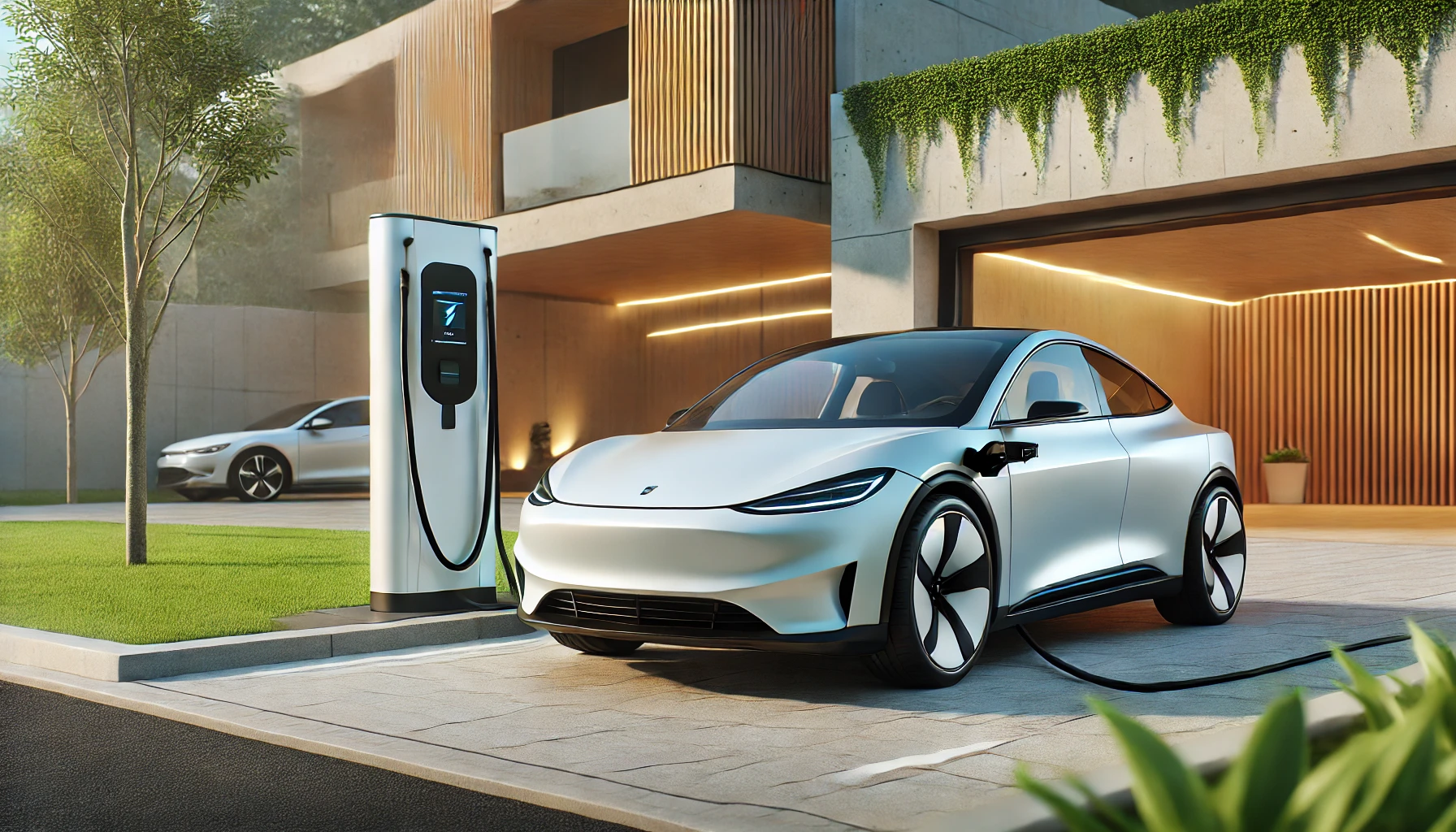
An electric car is powered by an electric motor and gets its energy from a battery. It offers an environmentally friendly alternative to vehicles with an internal combustion engine. Electric cars are praised for their low CO2 emissions, quiet operation, and low operating costs.
Benefits of electric cars
- Environmentally friendly: No direct emission of harmful substances, contributing to cleaner air.
- Low operating costs: Electricity is often cheaper than gasoline or diesel.
- Quiet: Less noise pollution compared to vehicles with internal combustion engines.
- Future-proof: Supported by government subsidies and a growing charging network.
Disadvantages of electric cars
- Purchase price: EVs are often more expensive to purchase than conventional cars.
- Charging time: Charging the battery takes longer than refueling.
- Range: Electric cars often have a more limited range than traditional vehicles.
- Battery production: The production of batteries has a significant impact on the environment.
Alternatives to electric cars
- Hybrid cars: A combination of an internal combustion engine and an electric motor offers lower fuel consumption and less emissions.
- Plug-in hybrids (PHEV): Similar to hybrid cars, but with a larger battery that allows charging for emission-free driving over short distances.
- Hydrogen cars: Powered by a fuel cell that converts hydrogen into electricity, with water as the only emission.
- Biofuel cars: Vehicles powered by fuels made from organic material such as biodiesel or bioethanol.
- Natural gas cars (CNG): Less polluting than gasoline or diesel and lower CO2 emissions.
- E-bike or speed pedelec: For short trips, an electric bike is an excellent alternative to a car.
- Public transport: Trains, buses and trams are sustainable choices, especially in urban areas.
- Car sharing: Car sharing systems provide access to vehicles without the need for ownership, saving costs and space.
- Car-free zones and walking: For city dwellers, limiting car use and walking more can be a sustainable alternative.
- Solar-powered vehicles: In development as an emission-free option that directly uses solar energy for propulsion.
Are you missing an alternative?
Tip our editors via this form.
Thanks in advance.