


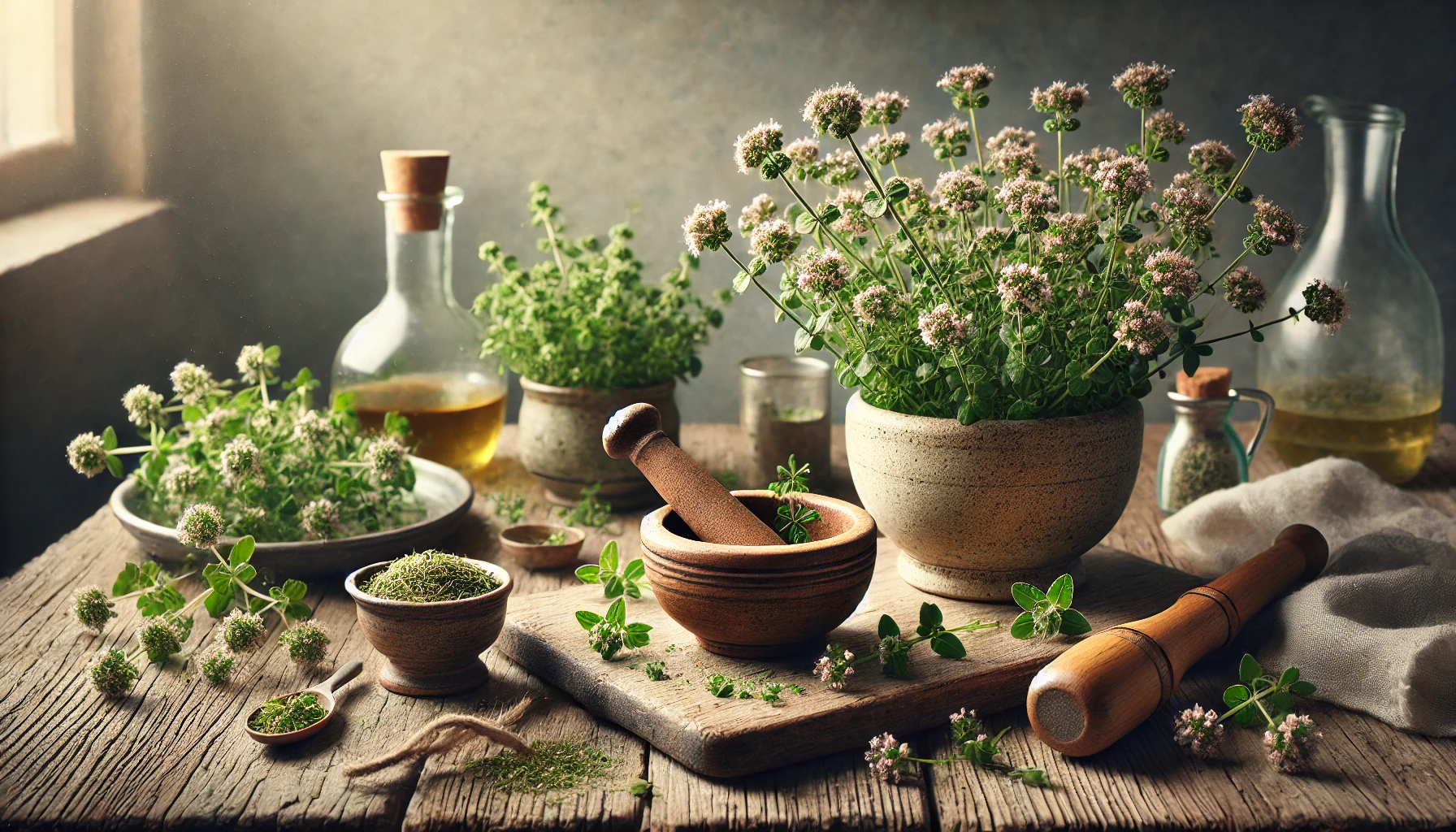
Alternatives for marjoram
Marjoram is an aromatic herb often used in soups, stews, and marinades. If you don't have marjoram, there are alternatives that offer similar flavors.
What is marjoram?
Marjoram, also known as sweet marjoram, has a mild, sweet flavor and is often used in Mediterranean dishes. It is related to oregano but slightly more subtle.
If marjoram is not available, there are other herbs suitable as a substitute.
Alternatives for marjoram
- Oregano: A stronger flavor that fits well in the same dishes.
- Thyme: For an earthy and spicy flavor, ideal in stews.
- Basil: For a sweeter and floral flavor in pastas and salads.
- Provençal herbs: A mix that often contains marjoram.
Marjoram is a versatile herb, but alternatives such as oregano, thyme, or basil offer similar flavors in dishes.
Are you missing an alternative?
Tip our editors via this form.
Thanks in advance.
Why Do People Look for an Alternative to Marjoram?
There can be several reasons why people look for an alternative to marjoram:
- Availability: Marjoram is not always easy to find in all supermarkets or spice shops, making alternatives necessary.
- Health considerations: Although marjoram is generally considered safe, some people may have allergic reactions. In that case, alternatives are sought.
- Dietary restrictions: Although it is rare, some people may be sensitive to marjoram and need to avoid it.
- Taste preferences: Although marjoram is loved for its unique taste, some people prefer other flavors and look for alternatives.
Top 5 Frequently Asked Questions about Marjoram
1. What exactly is marjoram?
Marjoram, scientifically known as Origanum majorana, is an aromatic herb often used in cooking. It has a sweet, light citrus flavor and is often used in Mediterranean cuisine.
2. How can I use marjoram in recipes?
Marjoram can be used in a variety of recipes, including soups, sauces, meat dishes and even in some desserts. It can be used fresh or dried for later applications.
3. What are good substitutes for marjoram?
Good alternatives to marjoram include oregano, thyme, and sage. Although each of these herbs has a slightly different flavor, they can be used in place of marjoram in most recipes.
4. Is marjoram healthy?
Yes, marjoram has several health benefits. It contains antioxidants, has anti-inflammatory properties, and can help with digestive problems. However, like all herbs, it should be used in moderation.
5. Can I grow marjoram myself?
Yes, marjoram is relatively easy to grow, both indoors in pots and outdoors in a herb garden. It requires full sun and well-draining soil.
Nutritional Value of Marjoram
Marjoram is a low-calorie herb with several key nutrients. Here is an overview of the nutritional value per 100 grams of fresh marjoram:
| Nutrient | Amount per 100 g |
|---|---|
| Energy | 271 kcal |
| Carbohydrates | 60.56 g |
| Proteins | 12.66 g |
| Fats | 4.04 g |
| Fibers | 40.3 g |
Note: The exact nutritional values may vary depending on the specific variety of the marjoram and the cultivation conditions.